

Posh cosmetics are absurdly expensive, or so it seemed to me whilst browsing the department store shelves for a new moisturiser. But we still buy them: most bathroom cupboards are so well stocked with lotions and potions they could be apothecaries.
I suppose it’s understandable that when it comes to beauty no expense is spared. We all like to look our best (and youngest) and these products very convincingly promise they will help us do just that. But they don’t, not really. Good genes, happy lives, healthy diets and enough sleep are far more important (though I do continue to slavishly follow the expensive skincare routine I introduced on turning thirty – ah, sweet delusion).
But when it comes to food – which can actually magically help us maintain our youthful good looks – we absolutely love a bargain. In austerity Britain, Aldi and Lidl boom; even M&S has its own budget line. Sandwiches come with free packets of crisps, chocolate bars with newspapers, even packages of cut fruit are promoted three for two, when one is all you can manage for lunch. And just imagine flashily declaring you’ve just spent £15 on a fillet of fresh fish whilst your colleagues unpack Boots meal deals with silkily and expensively creamed hands? I can’t.
I’m not suggesting that healthy food must or should cost a lot of money. Indeed, we’d all be best advised to avoid spending too much money, especially if it’s more than we have – I can’t think of anything more likely to drive me to comfort eating (and constant, line-inducing frowning) than a big, unwieldy pile of debt.
But I do believe that with food we should shift our sense of good value. Eating high quality (though not necessarily expensive) food is one of the kindest things we can do for ourselves (and our loved ones). So perhaps it’s time to assign some of our cold cream budget to the shopping bill and focus less on the bargains and more on the value our bodies will get from what we’re buying – a sort of makeover from the inside out.
A few culinary expenses you might want to afford:
- Wild salmon (beyond the environmental damage, farmed salmon can have all sorts of toxins in it that don’t do you any good at all)
- Organic apples (apples have the highest level of pesticide residues)
- Organic celery (celery is second in the pesticide list!)
- Avocados (not cheap, but so very good for you)
- Organic whole-milk from grass-fed cows (they’re the healthiest cows out there, with the healthiest milk)
- Dark chocolate (at least 70% cocoa, 85% would be better)
- Organic unsulphured dried apricots (the brown, wrinkly ones)
- High quality extra virgin olive oil (avoid big brands, novelty packaging, anything that’s in a clear glass or plastic bottle, and with no ingredients other than “extra virgin olive oil”,”first press” or “first cold press” and “PDO” or “Protected Designation of Origin” written on the side). Chances are it will cost you more than £6 s bottle, and rightly so.
By contrast, inexpensive curried cauliflower:
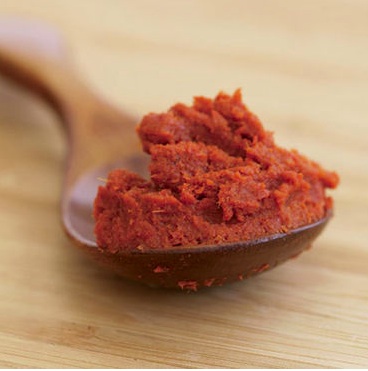
Serves two hungry people (or three more modest eaters) …
Ingredients
- 2 cloves garlic
- 1 small onion
- Thumb-sized nub of ginger
- 1 tsp cumin
- 1 tsp turmeric
- 1 red chilli
- Coconut oil
- 1/2 cauliflower (or whole one if you want leftovers)
- 2 large carrots
- 2 handfuls of frozen peas
- 200ml coconut milk
- 10 cherry tomatoes
- Lime
- Fresh coriander
- 2 frozen fish fillets / 1/2 pack of halloumi (optional)
Method
Pulse the garlic, ginger (peeled), chilli (deseeded) and spices with a dash of water in a small blender / food processor until they form a smooth paste. Peel and roughly chop the onion.
Heat 1 tsp of coconut oil in a large frying pan, add the onion and leave to sweat on a medium heat for a few minutes. When the onion begins to soften and turn slightly translucent, scoop in your spicy paste and stir, making sure the onion is well covered. To avoid wasting any of your paste, swill some water around the little mixer pot and tip into the pan. Don’t worry about excess liquid – it will all become a delicious sauce. Quickly slice the carrots and stir them to the mixture.
In the meantime, prepare your cauliflower. First cut it in half and then break into small florets. You can drop each one directly into the frying pan as you go along. Again, give all the vegetables a good stir to ensure they are well coated with the spicy sauce.
Leave for another five minutes or so, before adding in the coconut milk and the frozen peas. Use this time to halve the cherry tomatoes and chop the coriander.
Heat the mixture until the sauce begins to gently bubble. Check that the cauliflower is reasonably tender (though a bit of bite is lovely). Then, turn off the heat, throw in the tomatoes and squeeze in the juice of one lime. Season with salt and pepper to taste.
Scatter on the coriander after serving.
If you fancy the additional protein – you can poach the fish for around 15 minutes, and serve on the side, being sure to generously drizzle it with the spicy, coconut sauce.
For the halloumi alternative: chop the halloumi into 2cm cubes, and fry in a separate pan until slightly browned. You’ll need to stir it frequently. Scatter the crispy halloumi on top of the vegetables after serving. (For three people, I’d use a whole block of halloumi.) Fried prawns also work well.
Serve the dish with brown rice, or enjoy on its own.
 Of Slender Means