A few simple changes

FoodLast week I suggested that improving the way you eat is about making tiny changes day by day until you arrive at a place where you feel good and happy; drastic changes, by contrast, being costly and almost impossible to adhere to over more than a few weeks.

At the risk of repeating myself – I’ve written about such ideas elsewhere on this blog – and of doing too much dogmatic finger-wagging, I thought a convenient seven-point summary might provide a useful, gentle and not overtly corrective prod. Continue reading

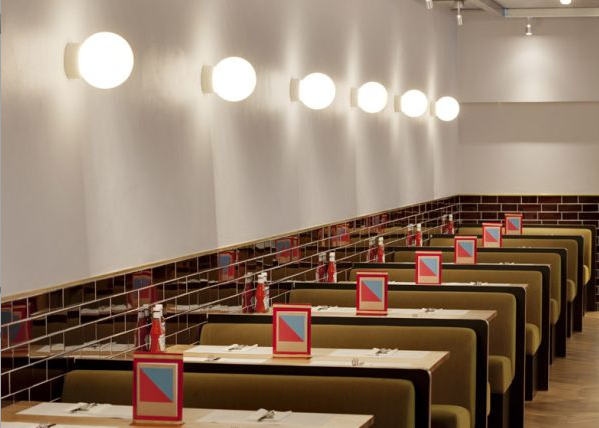
Lunch at Silo

(1) Doug door

Founder and Head Chef Douglas McMaster opening Silo’s door


Light the fireworks and pop the champagne: Of Slender Means returns. The inspiration that broke my six-month social media hiatus? Lunch at Silo – Brighton’s newest and hottest lunch spot.

Apart from a visit to a raw food cafe in San Francisco (the place of dreams) in 2009, I am not sure I have ever left a restaurant feeling so wonderfully light and so resoundingly happy to have spent my money there. In both concept and execution, Silo – which describes its food as “pre-industrial” and itself as the first zero-waste restaurant – is a dining miracle. The simplicity, sustainability, and creativity permeating its ethos are so close to the ambitions of this blog (though Silo founder and head chef Douglas McMaster – former BBC Young Chef of the Year, with St John and Noma on his CV – admittedly has the upper hand in culinary talents and compost systems … ) I felt the restaurant had almost been created for me. Just reading the menu on Silo’s website had my mouth watering – freshly caught fish, fermented brown rice risotto, beetroot juice, seaweed salsa … Continue reading

An ode to strawberries

Strawberry plant 1

We have been feasting on strawberries. Each day, I walk to the strawberry seller at the end of our road and buy a kilo for 5 euros. A third of these I take with me for the children to eat on the way home from nursery. The rest we devour at the end of our evening meal – a great bowlful in the middle of the table, green stalks cast off on our dirty plates.

One of the most evocative fruits (though pedants among you will say they are not really fruits at all – bearing their seeds on the outside and being only accessories to these), summer without strawberries is hard to imagine. Quartered and sugared with a dollop of cream, or rinsed and left with the stalks on, the sight of these plump red jewels conjures up an array of images: a hot day in the fields with friends; the cool shade of the living room with the thwack of the tennis ball on the telly; scones with Granny as the summer rain drips down outside the art gallery window; pudding in the late fading light in the back garden; one more glass of warm Pimm’s by the river before the university holidays start. Continue reading

In all seriousness (and beetroot)

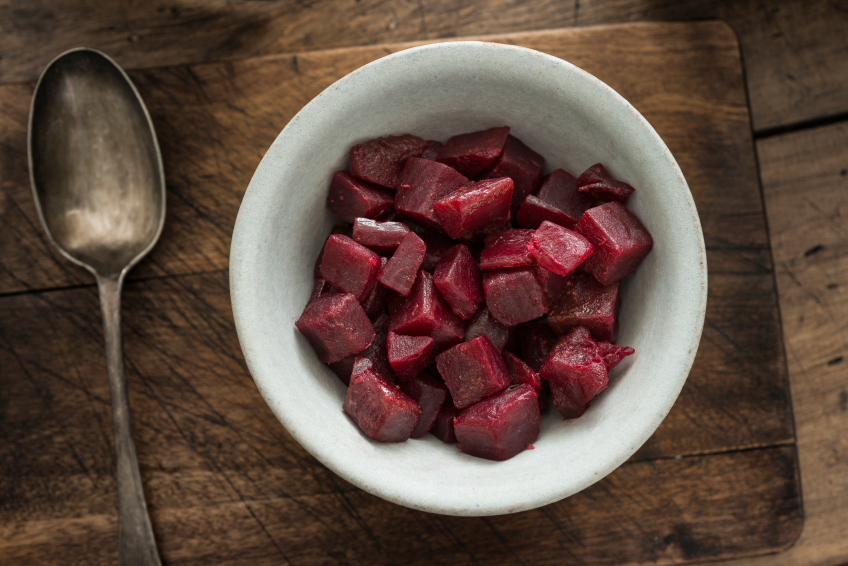
Beetroot

Browse the internet or a bookshop and you’ll find a slew of advice on how to be taken more seriously – by your partner, your colleagues, or even by your own children. Lower your voice, hold someone’s gaze, focus on the things most important to you, and so on. It’s important too, because it’s how you get people to listen to your ideas – and even a three-year-old knows that not being listened to is one of the most frustrating things in the world. (I am writing on the eve of International Women’s Day.)

Whether these methods work is another matter, but to be taken seriously must be something we want, or we wouldn’t be so open to all that lecturing on the subject. Strange that, because I don’t see much evidence of us putting these ideas into practice. Open your eyes and ears to it: in the office sentences trail off into self-conscious laughter (of both the boisterous and meek kind); at the playground parents absent-mindedly chide small children with one eye still on their Facebook-covered iPhone screens; and lovers on the tube quarrel in mock baby voices. Mostly, it seems, we’re busy trying to be liked (whether by our new boyfriend or on social media) instead. Continue reading

Canteens and office blocks

Office canteen

My husband (to whom this post is dedicated) works for a large company on the outskirts of a big city. There are no shops nearby and the food in the canteen is dreadful. Though he may dutifully enjoy reading my idealistic posts about buying M&S salads and popping into local deli-come-cafes for soup and a quinoa and feta salad (or so he says for an easy life), they are useless to him. In these circumstances – certainly not his alone, but the fate of many office works – how does he devote himself to the pursuit of good health?

To my mind, he has two options. The first: he could become very well organised and stock his office with a supply of good food. For all you naysayers, this is not quite as unrealistic as it sounds, because it should only require an hour of time invested at the weekend – surely well worth feeling bright and sprightly for an entire week.

Allowing for a couple of business lunches out and croissant-fuelled breakfast meetings (a degree of realism is an important facet of any life change), the list below should be enough to cover most breakfasts, lunches and snacks for a week. Note, I assume access to a local supermarket at least once a week, and an office equipped with fridge, bowls, plates, forks and spoons …

The office block long list: 

  • Large bag of mixed nuts and/or seeds
  • Bag of unsulphured dried apricots
  • Tub of roasted sweet potatoes (made at home on a Sunday and then stored in the office fridge) – double the recipe you find here.
  • Bag of spinach leaves (to serve as the base for lunchtime salads, or to extend puny canteen salads)
  • Bunch of bananas
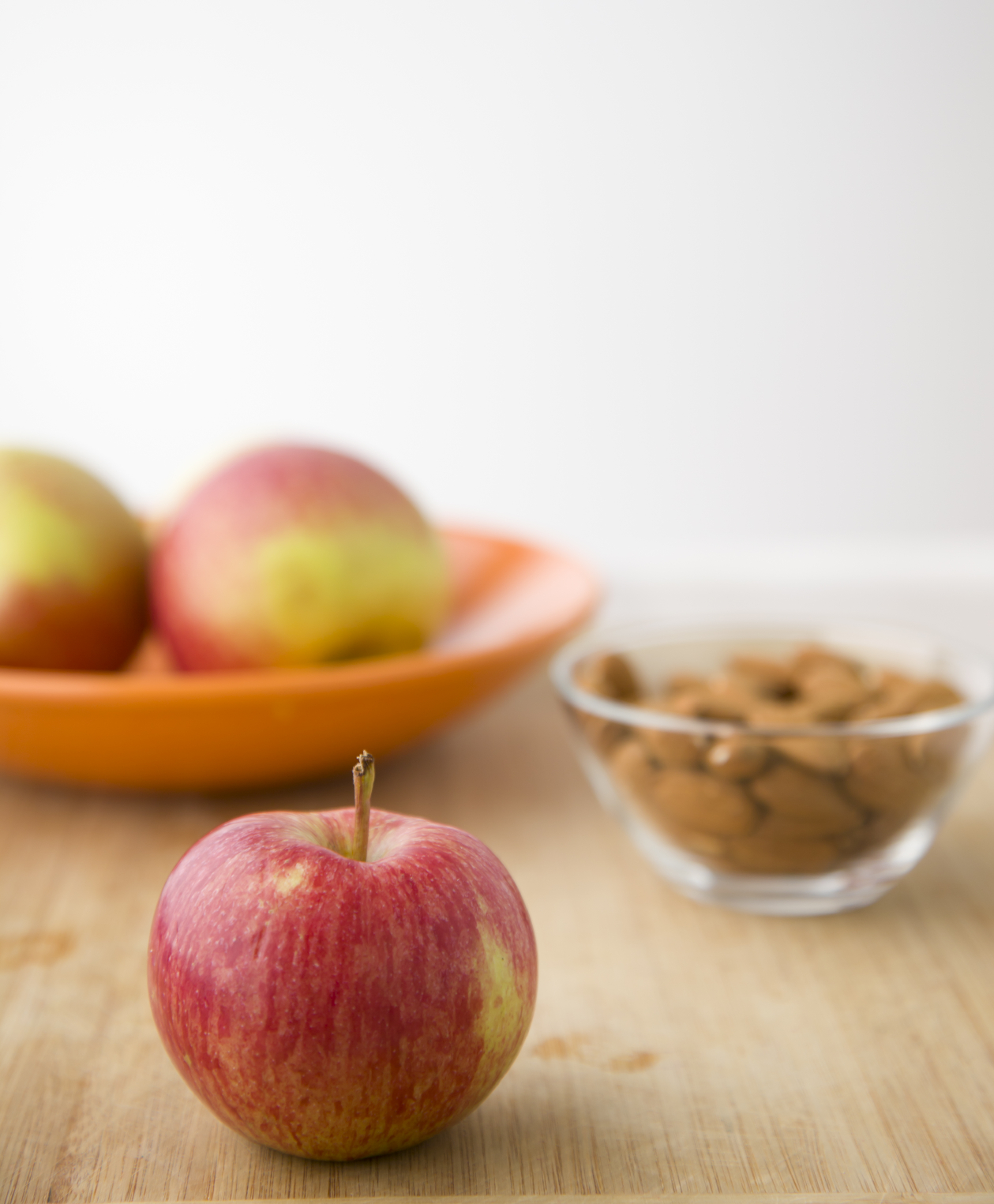
  • 5 apples / pears
  • Cucumber
  • Tins of tuna (in springwater)
  • 2 packets of smoked fish (trout / mackerel / salmon)
  • Block of feta
  • 2 avocados
  • Unsweetened muesli
  • Milk of your choice (whole, soya, almond etc.)
  • Big tub of natural or Greek yoghurt
  • Olive oil
  • Cider or red wine vinegar
  • Small loaf of sliced rye bread
  • Tin of chickpeas

These ingredients should then be used throughout the week to provide a variety of meals – such as …

For breakfast: yoghurt, fruit, and nuts; or muesli, fruit and milk; for lunch: spinach, chickpeas, tuna (feta or smoked fish could easily be used instead), a few chunks of sweet potato, 1/2 avocado with a dash of vinegar and olive oil and a slice of rye bread on the side; or a very quick meal of rye bread, smoked fish and a big chunk of cucumber; snacks could include fruit, nuts and yoghurt.

But, I will admit that such organisation is only for the dedicated, and even they have weeks so busy this level of office-based food preparation is unrealistic. Now to the alternative: understanding how to make the best of what’s on offer (ideas below) and creating just enough time (no more than 15 minutes) to buy this very pared down list of essentials from any basic supermarket.

The office block bare essentials:

  • Apples and bananas
  • Nuts
  • Rye bread
  • Yoghurt
  • (High quality) sliced cheese
  • Bar of dark chocolate (70%+)

Simple ideas for making the best of it in the worst canteen:

1) Always choose the simplest and least processed option(s) – e.g. salad, a sandwich, soup, fish, boiled potatoes.

2) When choosing salad, be sure to ask for the dressing on the side – that way you can opt out of smothering edible fresh food with an inedible sugary, starchy, fatty slime, or at least moderate the amount that gets smeared on. When choosing a sandwich, go for the one with the least in  – so bread and cheese, rather than bread and cheese and mayonnaise and chutney.

3) Steer clear of any dish served in a gloopy and oddly shiny-looking sauce. It’s bound to be salt, additive, and sugar laden.

4) Always include some protein for lunch – whether this be in the form of an omelette, scrambled eggs, a piece of fish, or some natural yoghurt for dessert.

5) Avoid cheesy pastas at all costs. Just looking at them is enough to make you feel sleepy.

6) Don’t succumb the temptation of afternoon cake (which, if wrapped in plastic and looks like it will survive a nuclear attack, cannot be anything but bad for you). Feast on nuts, fruit a square of chocolate instead.

7) And remember, two slices of rye bread and cheese is a much better breakfast than two cheap pain au chocolats from the canteen.

Your inner child, and sweet potatoes

Tempting as it may be after a long day in the office, it is not acceptable to throw tantrums as an adult. With age, most of us somehow manage to control our tempers and defuse anger in more mature ways. If we don’t, our professional and romantic luck will be rather limited – tough but true. But when it comes to what and when we eat, we remain rather childlike. Let me explain why. Continue reading

Meals for minimalists

Celery photo

A friend, who’d been staying for a few days over Christmas, remarked as she left that she must remember bread, cheese, cucumber and celery provided a perfectly adequate meal. Inevitably, my first thought was “what a lazy host I am”, but my second, more reflective thought was “other people surely eat meals like that too, don’t they?” It seemed not.

I must credit my parents for teaching me the art of minimalist eating – for it truly is an art. Not minimalists in so many other ways – their house is an exquisite cacophony of William Morris prints, half-read old newspapers, overflowing bookshelves and grandchildren’s broken toys, befitting for two retired, hummus-eating, brown-bread-making academics – in the kitchen, they value food pared down. It’s not because they can’t cook or because they shy away from strong flavours. Indeed, both are excellent cooks and are naturally adventurous – in food and all sorts of other things. It’s more that they care about ingredients and that they believe most really, truly, good ingredients are dulled by excessive cooking.  (My father prides himself on having distilled his legendary fish pie to fish, tomatoes and a delicate béchamel sauce, which he has refined carefully over many years.) Continue reading

Epiphany – or a better day in the office

When I first started working in London for a company which openly celebrated slenderness (a recognised and disturbing theme in many organisations), I found myself skipping lunch most days and dining on a small bar of Galaxy chocolate and a packet of crisps whilst walking down Tottenham Court Road on the way to meet friends in the pub. I was short of money and trying to lose weight. The pressures of work and socialising didn’t leave me with time to exercise with any intensity, so deprivation it would have to be.  Continue reading